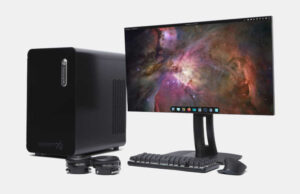
System76 didn’t just ship a new Pop!_OS — it quietly flipped the switch on a brand‑new Rust desktop, Cosmic Epoch 1. We take a look at why this one matters far beyond Pop!’s existing fanbase.
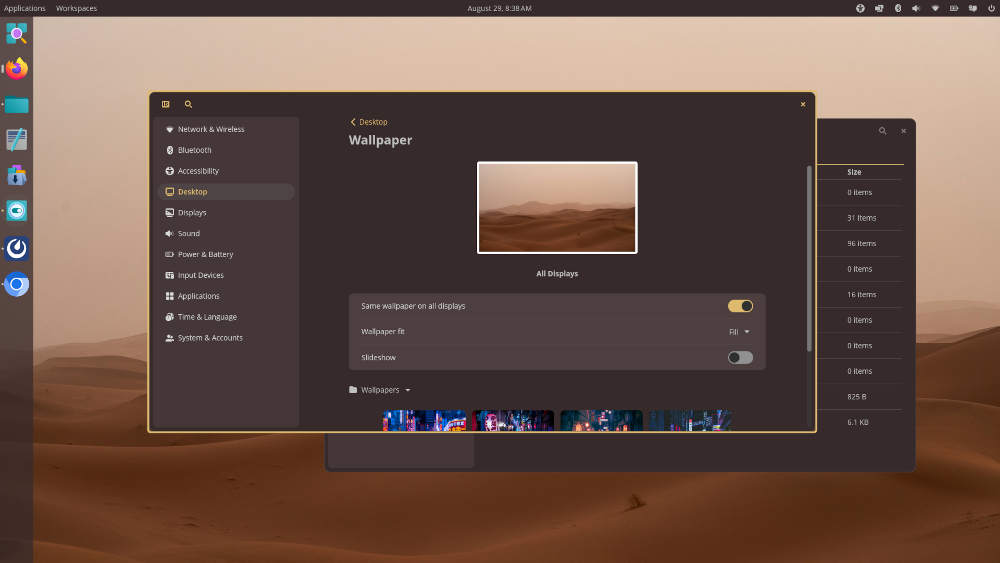
Finally, I’ll be able to write my 2025 Top Five Open Source News Items article. That’s because System76 — the folks who make high end Linux hardware –released Pop!_OS 24.04 LTS on Thursday. Considering how popular the distro has become, that’s a pretty hard story to eclipse. However, it has been eclipsed, because Thursday also marked the release of Cosmic Epoch 1, the long awaited, built from scratch, and not based on anything but itself release of Pop’s default desktop environment.
If you’re thinking you were certain that Cosmic (officially presented in all caps) was based on Gnome, then you must have been sleeping in class. Quite a while ago the folks in Denver — that’s where System76 is from — announced that for several reasons (but mainly because they wanted to take Cosmic to places Gnome didn’t want to go) they were dropping the Gnome base in favor of building their own original desktop using the Rust programming language (proving that Neil Young was right when he said that Rust never sleeps).
That also explains the wonky Epoch 1 versioning, which is basically System76’s way of resetting the clock, because the new Cosmic is primarily a new desktop environment instead of a continuation. Previously, Gnome-based Cosmic had no versioning — unless you want to go with the Pop!_OS version in which it was released. Cosmic will have release numbers going forward. Technically, the version released on Thursday is Epoch 1.0.0. The next rolling “minor point” releases will be Epoch 1.0.1 — which I’m guessing will down the line get shortened to something like E 1.0.1.
In a blog announcing the new release, founder and CEO Carl Richell points out that this milestone for desktop Linux comes during the same year that System76 is celebrating another milestone:
“This year, System76 turned 20. For 20 years we have shipped Linux computers. For seven years we’ve built the Pop!_OS Linux distribution. Three years ago it became clear we had reached the limit of our current potential and had to create something new. Today, we break through that limit with the release of Pop!_OS 24.04 LTS with the Cosmic Desktop Environment.”
A Little Cosmic Pop! History
When Pop! was first released without much fanfare in 2017, the expectation was that it would be a competent but ho-hum Ubuntu-based distro that System76 would use to help with the branding of its line of preinstalled Linux computers. Instead, the “minimalist” distro almost immediately became a hit, mainly because of the way it’s been designed for developers and other technical professionals.

Four years later, Cosmic was released as a Gnome-based DE with a bit more fanfare. System76 proclaimed it to be “a release of COSMIC proportions” and pushed “Pop!_OS 21.04 with new Cosmic desktop.” The success of Pop! meant there was a lot of anticipation for Cosmic, and the new DE found instant acceptance, and quickly — Linux users being Linux users — folks were trying to shoehorn it onto their favorite distros.
These days a Fedora Cosmic spin has seen a beta release, and Cosmic is also available in Fedora’s repositories. In addition, the DE is available for NixOS, Arch Linux, openSUSE, and (the distro formally known as Serpent OS) AerynOS.
About Pop!_OS 24.04 LTS
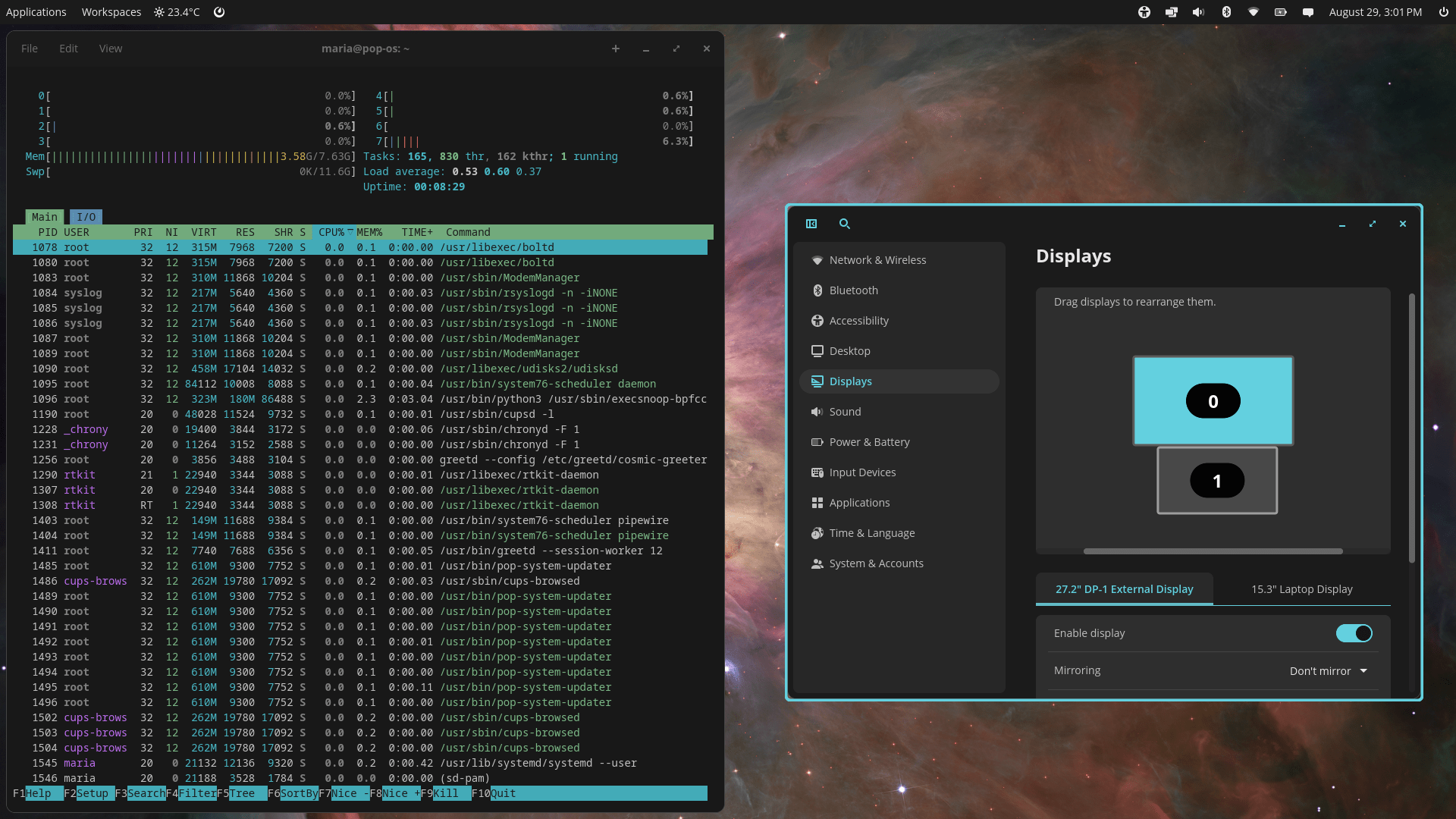
Of course the new Pop! will come with broad hardware support and easy installation with full disk encryption. It also ships with a refresh install feature, which can be activated by holding the space bar at boot, or from the ISO. You can also reinstall the OS at any time, while keeping all files, settings, and Flatpak user apps intact. Refresh capability is also planned for Cosmic, but there’s not a roadmap on that yet.
Especially important for power users — and folks who run local AI — is hybrid graphics support for longer battery life. According to System76, this means you’ll no longer need to switch GPU modes on the fly when you need to conserve battery power, because apps that need the discrete GPU will automatically use it. You’ll also be able to manually run an app on your preferred GPU by right-clicking the app icon.
Our Larry Cafiero’s going to be taking a deeper look at Pop!_OS 24.04, as well as Cosmic Epoch 1, for Thursday’s FOSS Force Distro of the Week, so be on the lookout for our deeper delve after he takes the new platform out for a spin.
The New Cosmic
I haven’t tried the new Rust-proofed Cosmic yet, but in the two and a half months that the beta’s been out, user reaction online has been largely positive. Many users found it to be more responsive than expected. Others like the balance between keyboard‑driven tiling and a more traditional desktop.
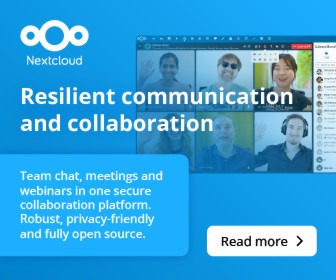
The latter seems to be a selling point. The top of a bullet list appended to Richell’s blog plugs “tiling per workspace and display” and “rearranging windows by dragging them with the mouse,” adding that “visual hints show where the window will land.” The tiling, they say, can be used with a mouse or keyboard.
One area that interests me are the features added to workspaces, which includes horizontal or vertical layouts and the ability to drag workspaces to rearrange them — or move a workspace to a different display in multi-screen setups. Workspace settings are also persistent: “A tiled and pinned workspace will be tiled and pinned after reboot.”
The new Cosmic is also being touted for its high degree of configurability, which is sure to be a hit with power users. If you want to take Cosmic Pop! around the block to give it a try, downloads are waiting for all supported platforms.
“Cosmic is built on the ethos that the best open source projects enable people to not only use them, but to build with them,” Richell said in his post. “Cosmic is modular and composable. It’s the flagship experience for Pop!_OS in its own way, and can be adapted by anyone that wants to build their own unique user experience for Linux.”

Christine Hall has been a journalist since 1971. In 2001, she began writing a weekly consumer computer column and started covering Linux and FOSS in 2002 after making the switch to GNU/Linux. Follow her on Twitter: @BrideOfLinux