

Arch has evidently stopped new AUR registrations for the time being while maintainers scrub malware and users debate how to harden the popular community repository.
Posts published in “Distros”

Just hours after Arch sounded the all‑clear on a massive AUR malware purge, a new, stealthier campaign is slipping malicious code back into user packages.

Arch says it's scrubbed all known malicious commits, but the 1,500‑plus affected AUR packages are a fresh reminder to "trust but verify."

Arch User Repository hit by a large-scale malware campaign, with maintainers racing to roll back malicious commits and lock out bad actors.

AlmaLinux rolls out 9.8 and 10.2 side by side, pairing new compiler and language stacks with security fixes and an ALESCo‑approved kernel backport that arrives ahead of the RHEL upstream.
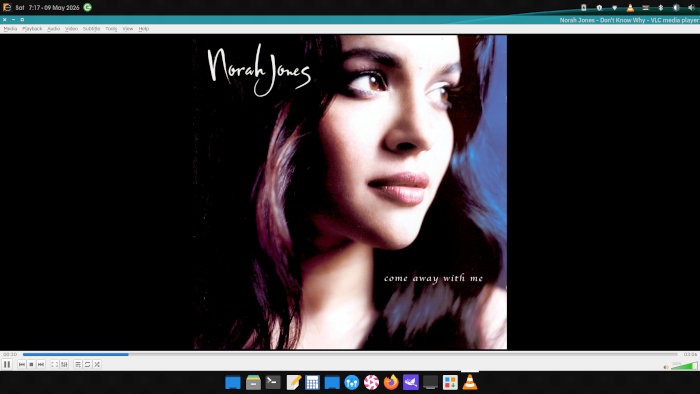
From the MX Linux community comes Extrox, a duo of Xfce-based spins—one MX, one Arch—that emphasize audio tooling without sacrificing day-to-day usability.

Two kernel zero‑day fixes, two quick Tails releases, and one Tor‑backed project determined to keep its privacy‑minded users safe — this is open source security hygiene in action.
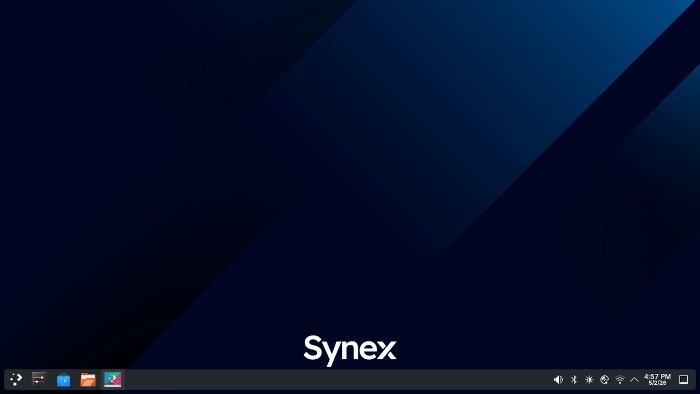
Built on Debian Trixie, Synex aims to cut post‑install busywork with sensible defaults, app choices up front, and a clean KDE Plasma experience.

Out with the old; in with the new. Gerald Pfeifer’s nearly seven‑year run as chair ends with SUSE veteran Jeff Mahoney moving into the role.

With Podman 6 bringing big under‑the‑hood networking and modernization changes, Fedora is calling on experienced users to put the daemonless container engine through its paces.